
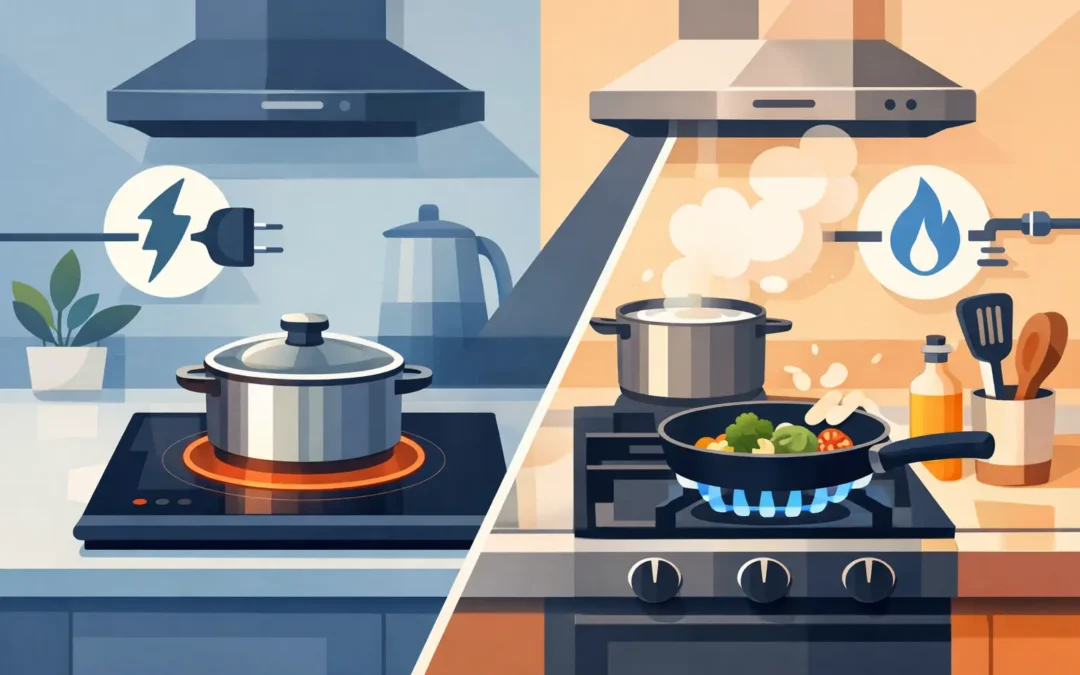
A new cooker or hob can change how a kitchen feels every day. When weighing up electric versus gas cooking, the best choice is rarely about which fuel is universally better. It is about the supply already available to your property, how you cook, the condition of your kitchen and what will keep your household safe, comfortable and within budget.
For homes across Skegness and the Lincolnshire East Coast, there is one extra consideration: many properties and static caravans use LPG rather than mains natural gas. That can make a gas appliance a very practical option, but it also means installation, servicing and safety checks need the right experience.
Electric versus gas cooking at a glance
Gas cooking gives an immediate, visible flame and quick changes in heat. Many keen cooks like the direct response of a gas hob, particularly for frying, stir-fries and sauces where turning the heat down quickly matters. It also works during a power cut if the hob can be lit safely by hand, although any electric ignition will not operate.
Electric cooking covers several different technologies. A traditional ceramic hob heats the surface beneath the pan, while induction uses an electromagnetic field to heat compatible cookware directly. Modern electric ovens are commonly fan-assisted, giving even heat around the oven and making them particularly useful for batch cooking, baking and family meals.
The right answer depends on your priorities. A household replacing an existing gas cooker with a sound gas supply may find that staying with gas is straightforward. Someone fitting a new kitchen, removing a gas supply or wanting the easier cleaning of a flat hob may prefer electric or induction.
Control and everyday cooking performance
Why many people still prefer gas hobs
The main appeal of gas is control you can see. The flame appears as soon as the burner is lit and changes immediately when you adjust the knob. There is no waiting for a cooking zone to cool before a pan stops receiving direct heat, although the pan itself will of course remain hot.
Gas hobs also work with a wide range of cookware, including older pans that may not be suitable for induction. For a household that already has a gas cooker connection, this can avoid the cost and inconvenience of replacing a cupboard full of pans.
There are trade-offs. Burner caps, pan supports and the hob surface need regular cleaning. Spills can bake onto the components, and poor flame appearance, repeated ignition clicking or a smell of gas should never be ignored. Turn the appliance off, ventilate the area if it is safe to do so, avoid switches or naked flames, and seek professional advice.
The case for electric and induction
Ceramic electric hobs have a smooth surface that is simple to wipe down once cool. They can be a sensible, familiar choice, although they tend to heat and cool more slowly than gas or induction.
Induction is different. It is fast, responsive and efficient because much of the energy goes into the pan rather than heating the surrounding hob. The cooking surface does get warm from the pan, but it is usually cooler than a ceramic zone after use. This can be helpful in busy family kitchens, though it does not remove the need for normal care around hot pans.
Induction does require magnetic pans. A simple test is to see whether a magnet sticks firmly to the base. If it does not, the pan may need replacing. Some households also find the power settings less intuitive at first, and the appliance can make a quiet fan noise while operating or cooling down.
For ovens, electric fan models are often valued for reliable, even cooking. Gas ovens can produce a slightly more humid heat that some people enjoy for certain dishes, but an electric oven is generally easier to use when cooking several trays at once.
Installation: what your property can support
A cooker is not a plug-in purchase in the casual sense. The appliance, fuel supply, ventilation, electrical circuit, location and manufacturer instructions must all be considered before installation.
A freestanding electric cooker may need a dedicated cooker circuit and suitable isolation point, depending on its rating. High-powered induction hobs can also need more electrical capacity than an older kitchen circuit provides. It is worth confirming this before choosing an appliance, rather than discovering that your preferred model cannot be connected without additional electrical work.
Gas cookers and hobs need a correctly installed gas connection and suitable isolation valve. The room must have appropriate ventilation, and clearances from cupboards, splashbacks and extractor hoods must follow the appliance manufacturer’s instructions. Gas appliances must be installed and worked on by a suitably qualified engineer.
In static caravans, LPG appliances require particular care. The pipework, regulators, ventilation arrangements and appliance type must be suitable for caravan use and the LPG supply. A domestic appliance is not automatically the right fit for a holiday home. Annual gas safety checks are a sensible way to identify deterioration before the holiday season begins, while a winter drain-down helps protect the wider water system from frost damage.
Running costs and efficiency are not one simple number
Electricity and gas are priced differently, and tariffs change, so it is unwise to choose an appliance based on one headline figure. Gas has often been cheaper per unit of energy, while induction uses energy very effectively at the hob. The cost of your actual cooking depends on the appliance, pan size, cooking habits and how much heat is lost.
A small pan on a large gas burner wastes heat around the sides. A pan with a warped base performs poorly on ceramic or induction zones. Using lids, matching the pan to the ring and avoiding unnecessary preheating can make a noticeable difference whatever fuel you use.
The upfront cost matters as well. If your home already has a compliant gas supply and you enjoy gas cooking, replacing like for like may be more economical than altering the kitchen. If you are undertaking a wider renovation, an electric hob may simplify the layout by removing the need for a gas run to the island or cooking area. Ask for the full cost, including installation, any supply alterations and required remedial work, before deciding.
Safety and ventilation in the kitchen
Both gas and electric appliances are safe when they are correctly selected, installed and maintained. They simply have different risks.
With gas, good combustion and ventilation matter. A weak or uneven flame, yellow or lazy flames, soot marks, ignition faults or an appliance that repeatedly goes out all deserve attention. Carbon monoxide is colourless and odourless, so a suitable audible carbon monoxide alarm provides an additional layer of protection where gas appliances are present. It does not replace proper installation or servicing.
Electric cooking removes combustion from the kitchen, but electrical safety is still essential. Damaged cables, cracked ceramic surfaces, tripping circuits and signs of overheating should be checked promptly. Induction users should also follow the appliance guidance if they have a pacemaker or other implanted medical device.
Do not cover ventilation grilles or make changes to an extractor arrangement without checking what the appliance requires. An extractor helps with steam, grease and cooking odours, but it is not automatically a substitute for any ventilation required for a gas appliance.
Which option is likely to suit you?
Gas may suit you if you value visible flame control, already have a suitable natural gas or LPG supply, own mixed cookware and want to avoid changing your kitchen electrics. It is also a familiar choice for many caravan owners with correctly specified LPG appliances.
Electric or induction may suit you if you want a flat, easy-clean surface, fast boiling and efficient hob performance, or are planning a kitchen without a gas supply. An electric fan oven can be a particularly practical choice for regular family cooking and baking.
There is no need to replace a safe, dependable appliance simply because another fuel is fashionable. Equally, a kitchen refit is a good opportunity to choose equipment that genuinely works better for how you live. A.C.S Gas Ltd can help homeowners and caravan owners assess the existing supply, appliance requirements and installation work before a decision is made.
Before ordering, check the appliance dimensions, electrical rating or gas type, required clearances and whether your current pans will work. A short conversation before the purchase can prevent an awkward fitting day later – and leave you with a cooker that feels right every time you put the kettle on or cook for the family.