
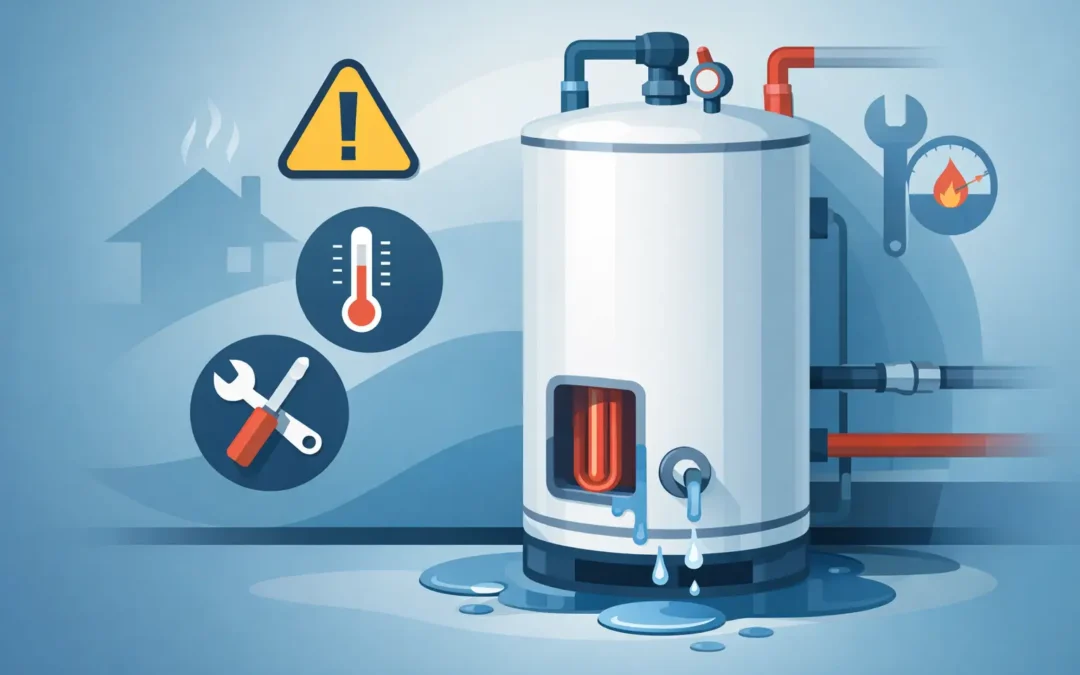
A hot shower that turns cold halfway through, water collecting beneath a cupboard, or a steady drip from an overflow pipe can quickly turn a normal day into a worry. Hot water cylinder repair is not a job to put off, particularly when the fault involves a leak, electrical connection, pressure problem or safety valve. A prompt inspection can often prevent damage to floors and furnishings, while getting your household back to reliable hot water.
A cylinder is designed to store heated water until you need it. Some homes have a traditional vented cylinder, usually fed from a cold-water tank in the loft. Others have an unvented cylinder, which is supplied directly from the mains and runs at higher pressure. Both can provide dependable hot water, but their faults and repair requirements are not always the same.
When hot water cylinder repair is needed
The clearest warning sign is water where it should not be. A small amount of condensation can occur in some circumstances, but pooling water, a damp ceiling below the cylinder cupboard, corrosion around pipework or staining on the cylinder itself all need checking. What looks like a minor drip may be coming from a valve or compression fitting that can be repaired. If the cylinder body has corroded through, replacement may be the safer and more cost-effective option.
No hot water is another common call-out. Before assuming the cylinder has failed, an engineer will consider the full system. The issue could be the boiler, programmer, thermostat, motorised valve, immersion heater, electrical supply or a faulty control rather than the tank itself. This matters because replacing a cylinder will not solve a fault in the controls, and a proper diagnosis avoids unnecessary work.
Watch for these symptoms as well:
- hot water that is only lukewarm or runs out much sooner than usual;
- banging, gurgling or kettling sounds around the cylinder or associated pipework;
- a discharge or overflow pipe that is constantly dripping;
- rusty-coloured water, unusual smells or visible corrosion;
- water pressure that has changed noticeably at hot taps.
Some of these signs can be linked to limescale, particularly around an immersion heater, while others point to pressure or expansion issues. The right repair depends on the type of cylinder, its age and the condition of the wider heating and hot-water system.
Leaks, pressure and safety valves
An unvented hot water cylinder includes safety devices that manage expansion as water heats up. You may notice a copper pipe running through an outside wall and down towards ground level. This is a discharge pipe. It should not be ignored if it is dripping or releasing water, even if the flow appears small.
A discharge can be caused by a faulty expansion vessel, pressure-reducing valve or temperature and pressure relief valve. It may also indicate that the system is overheating. Do not cap, block or alter the pipe to stop the water. It is there to protect the cylinder and the property.
Work on an unvented cylinder must be carried out by an engineer qualified to work on unvented hot-water systems. The repair may be straightforward, but the safety controls must be tested correctly once the work is complete. This is one area where a quick DIY fix can create a much bigger risk.
With a vented cylinder, water from an overflow or open vent can point to a problem with the cold-water storage tank, ball valve, pump arrangement or system temperature. A local engineer can trace where the water is coming from and explain whether a repair to the feed, valve or cylinder is required.
Why an immersion heater may be the problem
Many cylinders have an electric immersion heater as either the main heat source or a useful backup to the boiler. If the boiler appears to be working but the cylinder remains cold, the immersion element, thermostat, fuse or electrical connection may be at fault.
An immersion heater can fail gradually. You may still get some hot water, but not enough for normal family use. A failed thermostat can also cause the water to overheat or fail to reach the selected temperature. These parts are serviceable in many cases, although an older cylinder with heavy scale or corrosion may make replacement more sensible.
Do not remove an immersion heater cover or attempt electrical repairs unless you are competent and the supply has been safely isolated. Water and electricity are not a combination to take chances with. An engineer can test the component, inspect the wiring and advise on the safest route forward.
Repair or replacement: making the sensible choice
Not every cylinder problem means a new cylinder is needed. Replacing a valve, thermostat, immersion element or section of pipework can restore a sound system at a reasonable cost. This is often the best outcome where the cylinder is in good condition and the fault is isolated.
Replacement is more likely if the cylinder itself is leaking, badly corroded, poorly insulated or no longer suitable for the household’s needs. A growing family may be regularly running out of hot water, while a property with an older system may benefit from a more efficient, well-insulated cylinder and updated controls.
The decision should be based on an honest assessment, not just the age of the installation. A cylinder can last many years when correctly installed and maintained, but a visible leak from the tank body will not repair itself. Continued use can cause extensive water damage and, in some cases, affect nearby electrical equipment.
When considering replacement, it is worth looking at the whole system. The boiler or heat source, pump, controls, pipework and available water pressure all influence which cylinder is suitable. A larger cylinder is not automatically better if it adds unnecessary heating costs or does not fit the household’s hot-water pattern.
What to do while you wait for an engineer
If you find a significant leak, protect people and property first. Avoid electrical switches or sockets near the water, and place towels or a container beneath a small, manageable drip if it is safe to do so. If you know where the cylinder’s water supply isolation valve is and can operate it safely, turning it off may limit further water loss.
For a major leak, water near electrics, steam, very hot water or a continuously running discharge pipe, seek professional help promptly. Do not dismantle valves, force stuck controls or interfere with an unvented cylinder’s safety devices.
It is helpful to make a note of what has changed: whether the boiler is working, which taps are affected, when the issue began and whether the fault happens only during heating or hot-water demand. A photograph of visible leaking can also help an engineer understand the problem before attending, provided it is taken safely.
Keeping your hot water system dependable
Planned servicing is a practical way to catch problems before a cold morning exposes them. During a visit, the system can be checked for leaks, correct operation of controls, pressure concerns, corrosion and signs that components are nearing the end of their working life. Unvented cylinders need their safety devices inspected at the recommended intervals.
For landlords, reliable hot water is also part of providing a safe, well-maintained property. For caravan owners along the Lincolnshire East Coast, winter preparation is especially important. Draining down hot and cold water feeds and using suitable antifreeze protection where appropriate helps prevent frozen pipes and damage while the caravan is unoccupied.
A.C.S Gas Ltd provides clear, practical advice for homeowners, landlords and caravan owners across Skegness and the wider coast. Whether the answer is a targeted repair, a safety check or a replacement quotation, the aim is the same: safe hot water, properly restored, without unnecessary disruption.
If your cylinder is leaking, losing heat or showing any of the warning signs above, arranging an inspection early is usually the calmest and least costly next step. A qualified engineer can identify the cause, explain the options in plain language and help protect the comfort of your home or holiday property.