
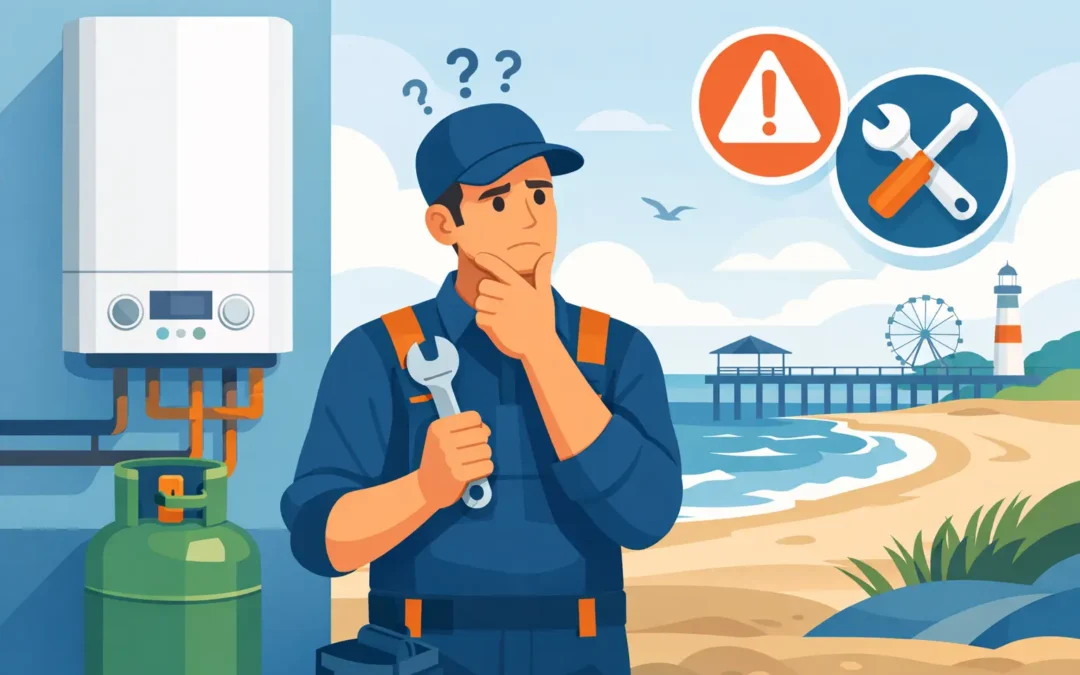
A boiler failure on a cold Skegness morning is more than an inconvenience, particularly when your home or static caravan relies on LPG for heating and hot water. An LPG boiler engineer in Skegness can identify the fault safely, explain what has gone wrong in plain language and help you decide whether a repair, service or replacement is the sensible next step.
LPG systems are common in properties that are not connected to the mains gas network, including rural homes, holiday caravans and properties along the Lincolnshire East Coast. They provide effective, controllable heating, but they need the right knowledge and maintenance to remain safe and dependable. The priority is not simply getting the heating back on. It is making sure the appliance, pipework, tank or cylinders and controls are working correctly together.
What an LPG boiler engineer in Skegness can help with
A qualified engineer can deal with the everyday issues that stop an LPG boiler working properly, from a loss of hot water and low pressure to ignition faults, unusual noises or a boiler that repeatedly locks out. They can also carry out planned servicing, safety inspections and new boiler installations.
For homeowners, this means one local point of contact when the radiators are cold, hot water is unreliable or an older boiler is becoming expensive to run. For landlords, regular checks and the correct documentation help meet gas-safety responsibilities and give tenants confidence that appliances have been properly inspected. For caravan owners, LPG expertise is especially valuable, as holiday homes can sit unused for long periods and face different risks during winter.
The right visit depends on the problem. A boiler that has suddenly stopped working may need a repair appointment. A boiler that still runs but is overdue its annual check needs servicing. If repairs are becoming frequent, parts are difficult to source or heating bills are rising, a replacement quotation may be the better long-term option.
Signs your LPG boiler needs attention
Some faults are obvious. No heating or hot water, an error code on the display, leaking water or a boiler that will not ignite all need prompt investigation. Other warning signs can be easier to overlook, such as radiators taking longer to warm up, banging or whistling sounds, inconsistent water temperature, or a pilot flame that will not stay lit on an older appliance.
Do not keep resetting a boiler that repeatedly shuts down. The reset may temporarily clear a lockout, but it does not remove the underlying cause. It could be a pressure issue, frozen condensate pipe, failed component, poor circulation or a supply-related fault. An engineer can test the system properly rather than relying on guesswork.
If you smell gas, suspect a gas leak or your carbon monoxide alarm sounds, turn off the gas supply if it is safe to do so, open doors and windows, avoid switches and naked flames, leave the property, and seek urgent professional help. Do not attempt to repair an LPG appliance yourself.
LPG supply checks matter too
A boiler fault is not always a boiler fault. LPG appliances depend on an adequate fuel supply, correct regulator performance and sound pipework. Running low on gas, a valve issue, regulator trouble or a problem with the tank or cylinder arrangement can all affect how the boiler performs.
This is one reason a proper diagnosis matters. Replacing a boiler part without checking the wider system can cost more and fail to solve the issue. A good engineer will explain what they have found, what work is necessary and where there are options to consider.
Why annual LPG boiler servicing is worthwhile
An annual service is planned maintenance, not just a quick look at the boiler. It allows an engineer to inspect the appliance, assess combustion and operating performance, check for signs of wear, test safety devices and identify developing faults before they cause a breakdown.
Servicing can also support manufacturer requirements for newer boilers. The precise terms vary by appliance and warranty, so it is worth keeping service records in a safe place. A well-maintained boiler is more likely to run efficiently, deliver reliable hot water and avoid an unexpected failure when the weather turns cold.
For many households, late summer or early autumn is a practical time to book. It gives you the opportunity to deal with minor issues before heating demand increases. That said, there is no need to wait if your boiler has missed its service date or is showing signs of trouble.
Repair or replace: making a sensible decision
There is no automatic rule that an older boiler must be replaced. A straightforward repair on a boiler with plenty of useful life left can be excellent value. Equally, continually repairing an unreliable appliance can become frustrating and costly, especially if it leaves you without heating at the worst time of year.
The decision normally comes down to the boiler’s age, fault history, condition, availability of parts and likely efficiency gains from a newer model. It also depends on your plans for the property. If you expect to stay for many years, a new LPG boiler may be a worthwhile investment. If you are preparing a holiday property for seasonal use, reliability and controls may matter more than adding unnecessary features.
A clear quotation should set out the recommended work and any relevant choices. A.C.S Gas Ltd can provide free, no-obligation quotations for LPG boiler work, helping customers weigh up repair costs against a replacement installation. Boiler-finance options may also help spread the cost of an eligible new installation, subject to status and the terms of the credit-broker arrangement.
Think beyond the boiler itself
A replacement is a good time to look at the whole heating system. Poor radiator performance may point to system sludge, balancing issues, unsuitable controls or pipework concerns. Improving controls, addressing circulation problems or reviewing hot-water needs can make a noticeable difference to day-to-day comfort.
This does not mean every installation needs a full system overhaul. In some homes, a direct boiler replacement is the right answer. In others, especially where heating is uneven or the system is older, a little extra work at installation can prevent problems later. The useful approach is practical advice based on the property, not a one-size-fits-all recommendation.
LPG heating for static caravans and holiday homes
Caravans need particular care because they are often closed up for weeks or months. An annual LPG gas safety check helps confirm that appliances and pipework are safe before the season begins or when a property is being let. This can include boilers, fires, cookers and hobs where fitted.
Winter preparation is equally important. A proper caravan drain-down removes water from hot and cold feeds to reduce the risk of frozen pipes and internal damage. Antifreeze protection may be used where appropriate, helping protect the system during prolonged cold spells. It is a small piece of planned maintenance compared with the disruption of discovering a burst pipe when you return to your caravan.
Caravan owners should not assume a boiler that worked perfectly at the end of summer will be ready without checks in spring. Arrange servicing and safety work in good time, particularly before busy holiday periods.
Choosing a local engineer with confidence
When arranging LPG boiler work, look for an engineer qualified for the type of appliance and fuel involved. Ask what the visit covers, whether the fault will be diagnosed before parts are ordered, and what paperwork you will receive after servicing or safety work. You should feel comfortable asking questions and receiving an honest answer.
Local knowledge also counts. An engineer who understands the mix of homes, rural LPG supplies and static caravans around Skegness can respond with practical advice suited to the property rather than generic assumptions. Prompt attendance, tidy workmanship and clear communication make a real difference when your heating or hot water has failed.
If your LPG boiler is overdue a service, making odd noises or no longer keeping your property comfortably warm, arrange an inspection before a minor concern becomes a cold-weather emergency. A properly maintained system helps protect the comfort and safety of your home or caravan when you need it most.