
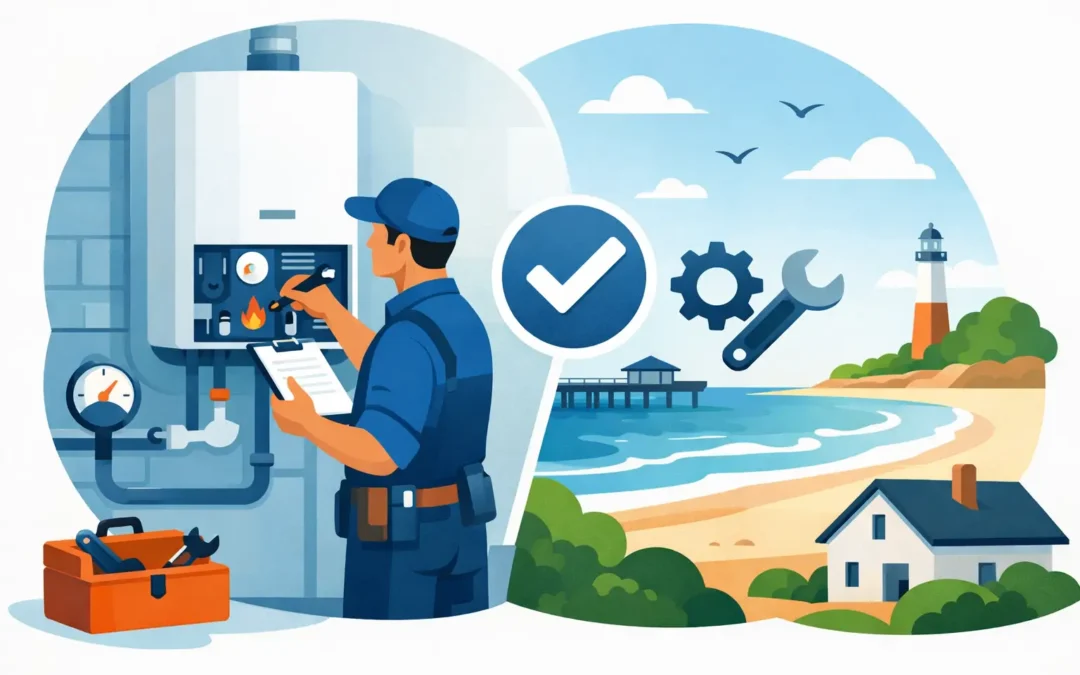
A boiler rarely chooses a convenient time to stop working. It is usually when the wind is coming off the coast, the house feels cold and the hot water is suddenly not there. Booking an annual boiler service Skegness households can depend on is a straightforward way to reduce that risk, keep your heating working efficiently and spot developing faults before they become an urgent repair.
For homeowners, a service is sensible preventative care. For landlords, it sits alongside the legal requirement for a valid annual gas safety record. For static-caravan owners, regular checks are particularly valuable because LPG appliances, periods of non-use and seasonal weather all place different demands on the system.
Why an annual boiler service matters
Your boiler works hard in the background. Even when it seems to be operating normally, components can wear, seals can deteriorate and settings may no longer be performing as efficiently as they should. A yearly service gives a qualified engineer the opportunity to inspect the appliance properly rather than waiting for a fault code, loss of pressure or complete breakdown.
Safety comes first. Gas, LPG and oil appliances need to burn fuel correctly and send combustion gases away safely. An engineer will look for signs that an appliance is not operating as intended, check the flue arrangements and identify issues that need attention. If anything is unsafe, you should be told clearly what has been found, what work is required and whether the appliance can remain in use.
There is also the comfort factor. A boiler that is maintained in line with the manufacturer’s requirements is more likely to provide dependable heating and hot water when you need it. Servicing cannot guarantee that no part will ever fail, particularly on an older boiler, but it can prevent smaller concerns from being overlooked.
Efficiency matters too. A dirty or poorly adjusted appliance may use more fuel than necessary. The improvement from a service varies according to the boiler’s condition, age and how it has been used, so no responsible engineer should promise a fixed saving. Still, keeping the appliance clean, checked and correctly set up is a sensible part of managing household energy use.
What happens during an annual boiler service in Skegness?
A proper service is more than switching the boiler on and confirming that it fires up. The exact checks depend on the make, model and fuel type, as well as the manufacturer’s service instructions. Natural gas, LPG and oil systems have different requirements, and the engineer should work to the correct procedure for your appliance.
Typically, the visit includes a visual inspection of the boiler and its installation, checks on the flue and ventilation where relevant, and an examination of key internal components. The engineer will assess the boiler’s operation, check for leaks or corrosion, test safety devices and use appropriate equipment to confirm combustion is within safe operating limits.
The boiler casing may be removed where required for servicing. Internal parts such as the burner, heat exchanger area, condensate trap, seals and electrodes may be inspected and cleaned or replaced if they are worn. System pressure, controls and hot-water performance can also be considered. If the boiler has an obvious fault, a service may identify it, but further repair work or replacement parts may be needed before it can be resolved.
At the end of the appointment, you should receive a clear explanation in plain language. A good engineer will tell you whether the boiler is operating safely, what has been completed, any advisory work to plan for and any faults requiring more immediate attention. Keep the service record with your boiler paperwork, particularly if your manufacturer warranty requires annual servicing.
Service, repair and gas safety check are not the same thing
These terms are often used interchangeably, but they serve different purposes. A boiler service is maintenance and inspection of the appliance. A repair is work carried out because something has failed or is not working correctly. A gas safety check confirms relevant gas appliances and installations have been checked for safety at that time.
Landlords need an annual gas safety check for rented properties and must provide the appropriate documentation to tenants. It is often practical to arrange servicing at the same time, but a safety check does not automatically mean every manufacturer service task has been completed. Ask what is included so there is no confusion.
Homeowners are not normally under the same annual certification duty for their own gas boiler, yet regular servicing remains strongly advisable. It supports safe operation, helps protect warranty conditions and gives you a better idea of the boiler’s condition before winter arrives.
When should you book your boiler service?
Late summer and early autumn are popular times to book, before the heating is needed every day. This can be a useful approach because it leaves time to address any repair recommendations before colder weather sets in. It also avoids discovering a problem during the first real cold spell, when demand for emergency repairs is naturally higher.
That said, the best time is the time you will remember every year. Some people book near the boiler installation anniversary, while others arrange it alongside their landlord safety check. If your warranty has a specific requirement, follow that schedule. Do not put off a service simply because summer has arrived – boilers still provide hot water, and a fault can occur in any season.
If you notice warning signs before your planned appointment, arrange advice sooner. These include repeated loss of pressure, banging or whistling noises, inconsistent hot water, a yellow or lazy-looking flame on appliances where a flame is visible, unexplained increases in energy use, water around the boiler or a carbon monoxide alarm sounding. Never ignore a carbon monoxide alarm. Get to fresh air if necessary, follow the alarm guidance and seek urgent professional help.
Older boilers need honest advice, not guesswork
A well-maintained older boiler may continue to serve a home reliably. Equally, there comes a point where recurring repairs, hard-to-source parts and declining efficiency make replacement the more sensible long-term option. The right answer depends on the appliance, its repair history, the condition of the wider heating system and your plans for the property.
An annual visit is a good time to have that conversation without pressure. You may only need a small repair or a system adjustment. If a replacement is worth considering, you should be given a clear quotation and an explanation of the options, rather than being pushed into a decision because the boiler has suddenly stopped on a cold morning.
Remember that a new boiler is only part of the picture. Radiators, pipework, heating controls and system water quality all affect how a central-heating system performs. In some properties, improving controls or addressing a circulation issue can make a noticeable difference. In others, a full upgrade is the better investment.
Special considerations for caravans and LPG systems
Static caravans along the Lincolnshire East Coast face a different set of challenges from a permanently occupied house. They may stand empty for long periods, rely on LPG and be exposed to low winter temperatures. Annual gas safety checks and appliance servicing help ensure boilers, fires, cookers and water heaters are ready for use when you arrive.
Winter preparation is equally important. A proper drain-down removes water from hot and cold feeds to help prevent frost damage, while suitable antifreeze protection can be used where appropriate. A boiler service will not replace winterisation, and winterisation will not replace a safety check – both have their place in protecting a holiday home.
Make sure the engineer is experienced with LPG appliances and understands caravan installations. The equipment, regulations and practical risks are not identical to those in a mains-gas home.
Choosing a local engineer for boiler servicing
Price matters, but it should not be the only consideration. Ask whether the engineer is qualified for the fuel and appliance involved, what the service includes and whether you will receive written confirmation of the work. A clear answer before the visit is a good sign.
Local service also makes a difference when a concern is found. A family-run firm such as A.C.S Gas Ltd can provide continuity – from annual maintenance and safety checks to repairs, heating upgrades and wider plumbing work – without making the process needlessly complicated. The aim should be simple: arrive as agreed, carry out the work carefully, leave the area tidy and explain the outcome honestly.
Before your appointment, make the boiler accessible and have any service records available. Mention any recent faults, unusual noises or changes in hot-water performance when booking. That small amount of information helps the engineer prepare and ensures the visit is focused on how your system is working in real life.
A yearly boiler service is not just another date in the diary. It is a practical opportunity to look after the appliance that keeps your home warm, your water hot and your household comfortable when the East Coast weather turns.